by Dana Rubin‑Winkelman, MSW, CAPSW, Social Worker
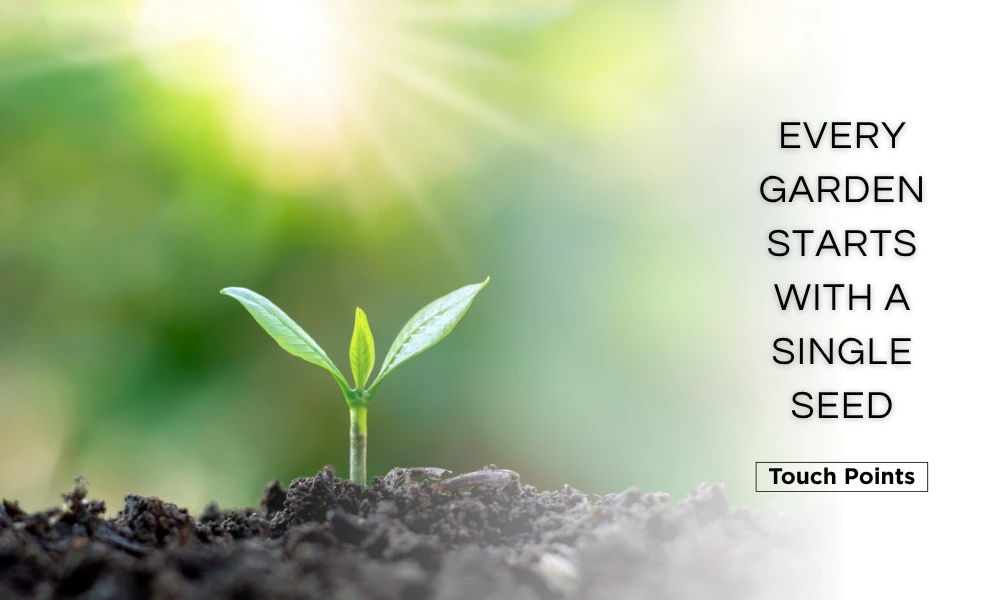
Every garden starts with a single seed.
As June unfolds and we step into the heart of summer, many of us are spending more time outdoors, tending flowers, vegetables, or simply enjoying the beauty of nature. Gardening offers more than colorful blooms and fresh produce. It provides gentle exercise, encourages us to slow down, reduces stress, and reminds us that growth takes time. Research even suggests that regular gardening may support brain health and overall well-being.
In many ways, our lives mirror a garden. The words we speak, the kindness we offer, the moments we share, and the connections we nurture are all seeds we plant—often without knowing what they will become. This month, I invite you to reflect on the seeds you are planting in your own garden of life.
“To plant a garden is to believe in tomorrow.” (Audrey Hepburn)
1. Why Gardening is Good for Us: Beyond its beauty, gardening offers remarkable benefits for both body and mind. Digging, planting, watering, and weeding provide gentle physical activity that can improve strength, flexibility, and overall fitness. Research has also linked regular gardening with better cognitive health and a lower risk of memory decline.
Gardening nourishes emotional well-being as well. Spending time outdoors, connecting with nature, and caring for living things can reduce stress and lift mood. Studies have found that gardening is associated with decreases in depression, anxiety, and anger, while increasing feelings of happiness and life satisfaction.
“We may think we are nurturing our garden, but it’s really our garden that is nurturing us.” (Jenny Uglow)
2. Planting, Tending, and Growing: Every day offers opportunities to plant something meaningful in ourselves and in others. A kind word, a thoughtful gesture, or a moment of patience may seem small, but these simple acts often have a lasting impact. Like a garden, our well-being flourishes when we nurture ourselves and our relationships with care.
Gardens also teach us valuable lessons. They remind us that growth takes time, every season has a purpose, and beauty can emerge in unexpected places. Even during difficult times, new beginnings are possible. The seeds we plant today often become tomorrow’s sources of strength and hope.
3. A Garden of Memories and Connection: Gardens often give us more than flowers, fruits, and vegetables. They create memories that stay with us for years and connect us to the people we love. Sometimes a familiar scent, taste, or flower can instantly bring back a special moment from the past.
One of my favorite garden memories comes from childhood. Our neighbor grew rhubarb and always had more than they could use, so they generously shared it with my parents. Each year, my mother would use that rhubarb to make the most delicious strawberry-rhubarb pie. I looked forward to it all summer long. What began as a simple act of sharing between neighbors became a memory I still cherish today.
Gardens have a unique way of bringing people together, creating moments of generosity, connection, and joy that continue to bloom in our memories long after the season has passed.
Reflection: What garden memory brings you joy? Is there a flower, vegetable, fruit, or special garden that reminds you of someone you love?
4. What Continues to Grow: Gardens teach us to focus on what is growing rather than what has faded. The same is true when memory changes occur. While remembering may become more difficult, the capacity to experience joy, comfort, creativity, and love remains. By focusing on strengths, familiar routines, and shared moments, we help cultivate dignity, purpose, and belonging at every stage.
5. Keeping the Mind in Bloom: Like a well-tended garden, our minds flourish when we continue to learn, explore, and stay engaged. Challenging the brain in enjoyable ways can support cognitive health while sparking creativity and conversation. Here are a few activities to help keep your mind blooming:
• Name as many fruits, vegetables, or flowers as you can in one minute
• Think of songs, books, or movies that mention gardens or nature
• Try an A–Z challenge: name a plant or flower for each letter
6. Music for the Garden: Songs That Lift the Spirit: Music has a unique way of uplifting the heart. A familiar song can feel like sunlight on an ordinary day. You might enjoy:
- “Here Comes the Sun” by The Beatles- This song celebrates the return of brighter days and the promise of new beginnings. Click for the 3-minute video.
- “What a Wonderful World” by Louis Armstrong- An inspiring ballad about finding hope and beauty in everyday life. Click for the 2+ minute 1967 ABC recording.
- “Wildflowers” by Dolly Parton, Linda Ronstadt, and Emmylou Harris- The song uses the wildflower as a symbol of independence, resilience, and the freedom to grow wherever life leads. Click for the 3+ minute audio.
7. Growing Hope, Growing Together: Many in our community continue to feel concern about Israel and the rise in antisemitism around the world. While we do not have to take a political stance, we can choose how we respond in our daily lives. We can plant seeds of understanding, nurture connection, speak out against hate, and support one another through simple acts of kindness and solidarity. Like a garden, a strong community flourishes when people care for one another and move through challenging seasons together.
“The greatest trees grow from the smallest seeds.” (unknown)
As you enjoy the fullness of summer, I encourage you to notice both the gardens around you and the one growing within you. What has brought you joy recently? Which relationships are you most grateful for? What seeds of kindness, connection, or effort are beginning to bloom in your life? Growth often happens quietly beneath the surface, long before we can see the results.
If you have questions about aging, memory changes, community resources, or caregiving, I’m here to help. Please don’t hesitate to contact me — I’d be happy to assist.
Until next month, keep tending what matters most,
Dana
Content may not be copied or reproduced in any form or by any means without Ovation Communities’ prior written consent, and with express attribution to Ovation Communities. Copyright infringement is a violation of federal law subject to criminal and civil penalties. Some content is prepared with editorial assistance.